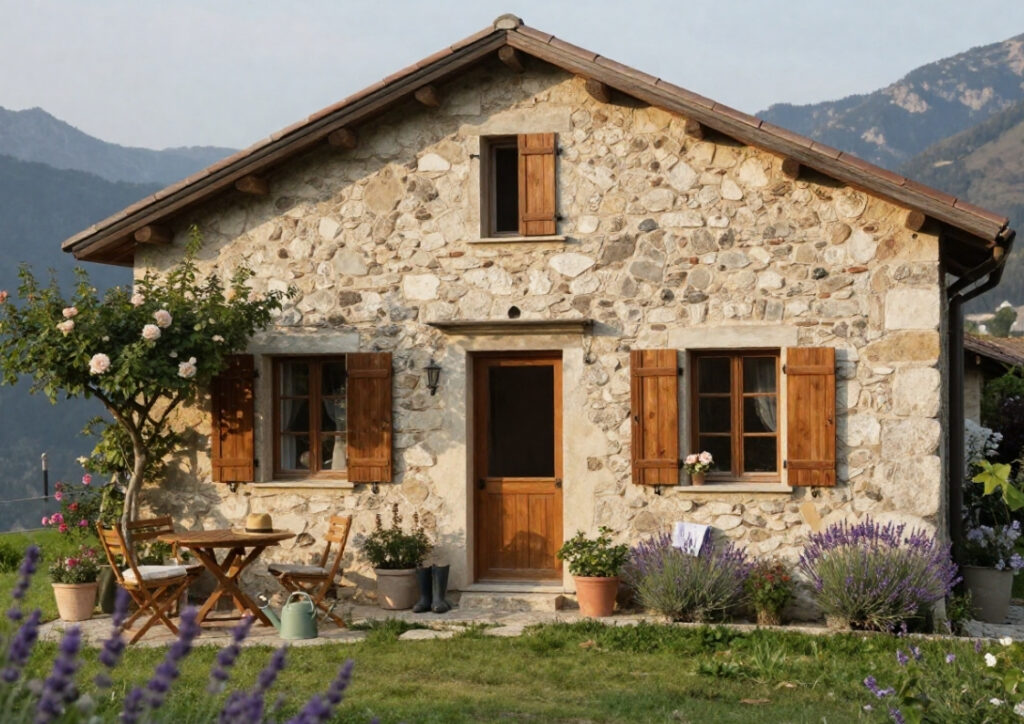

Whether you are going on holiday, own a second home, or are simply away for a few days, an unoccupied property can sometimes attract unwanted attention.
The good news is that a few simple actions are often enough to significantly reduce the risk. Here are our recommendations to help protect your home and leave with greater peace of mind.
1. Avoid overflowing post
An overflowing letterbox is one of the most obvious signs of a prolonged absence.
Ask a trusted neighbour to collect your post, or arrange for it to be redirected temporarily if you are away for several weeks.
2. Keep the exterior well maintained
An overgrown lawn, accumulated leaves or neglected outdoor spaces can suggest that nobody is looking after the property.
Even in your absence, occasional maintenance helps maintain the appearance of an occupied and cared-for home.
3. Use timed lighting
Lamps fitted with timers can simulate presence by switching lights on at regular intervals.
The aim is not to turn the house into a Christmas tree, but simply to maintain a realistic pattern of activity.
4. Do not keep all shutters closed
Where possible, avoid keeping all shutters closed for several weeks at a time.
A completely shut-up property often attracts more attention than one that appears to be intermittently occupied.
5. Keep valuable items out of sight
Before leaving, take a few minutes to check what is visible from outside.
Laptops, electronics and valuable items should not be left in plain sight.

6. Check all access points
Doors, windows, gates, outbuildings and garages should all be carefully checked before any extended absence.
A faulty lock or an improperly closed window can be enough to facilitate an intrusion.
7. Avoid announcing your absence on social media
Sharing holiday updates is tempting, but it is better to wait until you return before posting certain photos.
Publicly announcing a long absence can sometimes provide valuable information to the wrong people.
8. Maintain the appearance of occupancy
A pair of boots by the door, some garden furniture in place, or a lived-in outdoor space all help create the impression that the property is regularly occupied.
Details often matter more than we think.
9. Ask someone to keep an eye on the property
A neighbour, friend or trusted person can occasionally check that everything is in order.
A leak, a window left open after a storm, or any unusual issue can then be detected quickly.
10. Arrange regular property checks
Nothing replaces a physical presence.
Regular visits not only deter potential intruders but also allow for early detection of issues such as water leaks, storm damage, power failures or attempted break-ins.
In summary
Home security often relies more on simple, consistent actions than on complex equipment.
Keeping the exterior maintained, maintaining subtle signs of occupancy, and arranging regular checks are all effective ways to protect your property and leave with peace of mind.
Because a home deserves to be looked after even when you cannot be there.